
public
Unraveling the myths: Truths about luck in casinos
 0
0
 0
0
The Nature of Luck in Gambling
Luck is often perceived as a mystical force in the realm of gambling, particularly in casinos. Many players believe that luck is an elusive element that can be influenced by rituals or superstitions. For instance, one might wear a particular outfit or carry a lucky charm, thinking that these items can sway the outcomes in their favor. This perception creates a powerful psychological influence on players, leading them to attribute wins or losses to the presence or absence of these luck-inducing elements rather than the inherent randomness of the games. Interestingly, some players even explore various online options like canada betting sites to find environments they believe might enhance their luck. In reality, the outcomes of most casino games are determined by mathematical probabilities that do not change based on personal beliefs.
However, the reality of luck in gambling is much more grounded. Statistically, games such as slots, roulette, and blackjack are designed with certain odds and probabilities that govern their outcomes. Games of chance operate independently of personal beliefs or feelings. While it’s natural for players to want to feel in control of their fate, understanding that luck is a combination of randomness and probabilistic outcomes can lead to healthier gambling habits. Instead of relying on luck alone, players can benefit from knowledge and strategy, which can help them make more informed decisions and manage their expectations.
Ultimately, luck plays a role in casino games, but it is vital to recognize that it is just one part of a larger equation. The element of chance is melded with various factors, including the game’s design and rules. Those who expect to rely solely on luck may find themselves disappointed, whereas players who embrace randomness and develop informed strategies will likely enjoy a more balanced and enjoyable experience at the casino. By understanding the nature of luck, players can cultivate a realistic approach to gambling that enhances both their enjoyment and their potential for success.
The Role of Skill vs. Chance
In the world of gambling, the debate between skill and chance is ongoing and often contentious. Certain games, such as poker and blackjack, have a significant skill component, allowing savvy players to implement strategies that can influence their success. In these games, understanding the odds, probability, and opponent behavior can dramatically increase a player’s chances of winning. A skilled player will know how to manage their bankroll, read situations, and make calculated decisions that can turn the tide in their favor, underscoring the importance of skill in certain gambling scenarios.
Conversely, many casino games are purely based on chance, such as slot machines and roulette. In these instances, the outcomes are dictated by random number generators or spun wheels, making it impossible for players to exert any meaningful influence. While the thrill of watching the reels spin or waiting for the ball to settle may invoke a sense of excitement, players must acknowledge that the results are entirely out of their control. Understanding which games require skill and which rely on luck can help players tailor their experiences based on their strengths and preferences, leading to a more satisfying gambling experience.
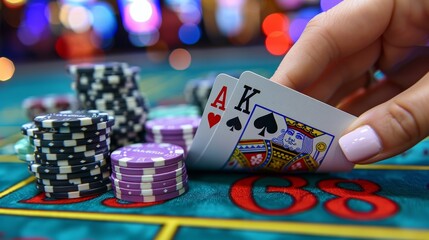
It’s crucial to strike a balance between the two elements. Many enthusiasts enjoy the thrill of games of chance yet also appreciate skill-based games that provide a sense of accomplishment through strategic play. By embracing both aspects, players can create a more rounded casino experience that combines the enjoyment of chance with the satisfaction of skillful gaming. This understanding fosters a more realistic approach to gambling, reducing unrealistic expectations tied solely to luck and promoting a more thoughtful engagement with casino games.
The Psychology of Luck and Superstition
The psychology of luck in gambling is a fascinating study of how belief systems can shape outcomes, even in environments governed by chance. Superstitions, from avoiding the number thirteen to performing specific rituals before making a bet, are rampant among gamblers. These practices can create an illusion of control and comfort, allowing players to cope with the inherent uncertainties of gambling. However, such beliefs often have no bearing on the actual probabilities involved and can lead to misconceptions about how luck operates in games of chance.
Research in behavioral economics suggests that when individuals believe they have some influence over luck, they may be more willing to engage in gambling activities. This can lead to increased betting and risk-taking behaviors as players seek to replicate past successes or ward off unlucky streaks. The narrative of luck can become a self-fulfilling prophecy, where players gravitate toward winning streaks that seem to validate their beliefs, even though the outcomes are purely random. Understanding this psychological aspect can help gamblers recognize the potential pitfalls of their beliefs and avoid making decisions based on superstition rather than sound gambling principles.
Understanding the psychological implications of luck and superstition is essential for responsible gambling. Players should be aware of how their beliefs can impact their experiences and decision-making at the casino. By recognizing that effective gambling relies more on understanding the games and their odds rather than luck alone, players can make more informed choices. This awareness can ultimately enhance their enjoyment while minimizing the risks associated with gambling, allowing them to engage in a more mindful and responsible manner.
The Myths of Hot and Cold Streaks
One of the most persistent myths in the world of casinos is the idea of hot and cold streaks. Gamblers often believe they can identify a “hot” machine or table, where wins are more likely, or a “cold” one that is due for a win. This belief often leads players to stay at a particular machine or table based on their perception of recent outcomes. However, this concept is based on a misunderstanding of how probability works in gambling, as each event is independent and random.

Each spin of a slot machine or roll of the dice is independent of previous outcomes. Random number generators ensure that every result is as random as the last, meaning that hot and cold streaks are merely products of cognitive biases. Players may perceive patterns in their experiences, leading them to believe they can predict future outcomes based on past performance. This belief can result in misguided strategies that prioritize luck over a sound understanding of the game, potentially leading to frustration and financial loss.
In reality, casinos are built on the understanding that randomness governs the outcomes of their games. The idea of hot and cold streaks can lead to poor decision-making, where players chase losses or increase their bets based on emotional reactions rather than sound strategy. By recognizing that each game is a separate event, players can approach the casino with a clearer mindset, enabling them to enjoy the experience without being lulled into the trap of chasing fleeting luck. This realization can also empower players to make smarter choices that align with their overall gaming strategy.
Exploring Responsible Gambling: The Role of Education
In light of the myths and misconceptions surrounding luck in casinos, promoting responsible gambling through education is imperative. Providing information about game mechanics, odds, and the randomness of outcomes can help players make more informed choices. When players understand the true nature of luck and chance, they can approach gambling as a form of entertainment rather than a means to achieve financial gain, reducing the likelihood of developing problematic gambling behaviors.
One approach to fostering responsible gambling is through the integration of educational programs in casinos. These programs can offer insights into the mechanics of games, the psychology of gambling, and strategies for managing one’s bankroll. By equipping players with knowledge, casinos can help cultivate a responsible gambling environment where individuals can make choices that align with their values and limits. Education can also serve to demystify many of the superstitions and myths surrounding luck, helping players navigate the casino landscape more effectively.
Additionally, casinos can leverage technology to promote responsible gambling behaviors. For example, implementing features that allow players to set limits on their betting, track their spending, and access resources for gambling addiction can enhance player awareness and self-regulation. The combination of education and technological tools can create a safer gambling environment, ensuring that players are informed and empowered to engage in gambling responsibly. By embracing these initiatives, casinos can play a pivotal role in promoting a healthier gambling culture.


