
public
Can luck be measured? Analyzing chance in gambling
 0
0
 0
0
The Nature of Luck in Gambling
Luck is often perceived as an enigmatic force that plays a crucial role in the outcomes of events, particularly in contexts involving chance, such as gambling. Within this framework, luck is typically defined as a favorable or unfavorable outcome that seems to emerge randomly. Gamblers frequently depend on luck as a pivotal factor in their decision-making processes, operating under the belief that some individuals possess an innate propensity for good fortune, especially when they choose the best online pokies australia payid available. This belief fosters the practice of using “lucky charms” and engaging in rituals, highlighting the psychological dimensions intertwined with luck.
The inherent randomness present in various gambling games, like slot machines and roulette, often leads players to attribute their successes to luck rather than skill or strategy. Despite the mathematical underpinnings that govern these games, many players find that their perception of luck overshadows the actual probabilities involved. This contradiction raises compelling questions about the essence of luck itself and whether it can be measured or quantified in any meaningful way, challenging the traditional understanding of chance in gambling.
While luck undeniably influences gambling outcomes, it is essential to recognize the significant roles that skill and strategy play in the equation. For example, in games such as poker, a player’s ability to employ various techniques can enhance their chances of winning. The interplay between skill and luck indicates that although luck may dictate immediate results, sustained success often hinges on a player’s capability to assess situations and make informed decisions. This complexity complicates the task of measuring luck, as it becomes intertwined with other significant factors influencing outcomes in gambling.
Statistical Analysis of Chance
The landscape of gambling is heavily anchored in statistics and probability. Each game is designed with a house edge, a statistical advantage that guarantees the casino’s profitability over time. By understanding the probabilities associated with different games, players can establish a foundation for analyzing the role of luck. For instance, in blackjack, a player’s strategic choices can shift the odds in their favor, illustrating how informed decision-making can diminish the reliance on luck.
Probability theory elucidates that while short-term outcomes may appear to be influenced by luck, the long-term results will align more closely with statistical expectations. This concept is known as the “law of large numbers,” which suggests that as players engage in more rounds, the outcomes will eventually reflect the true odds of the game, thereby reducing the apparent influence of luck. However, the unpredictability of short-term results often leads players to attribute their experiences to luck rather than understanding the underlying statistical realities.
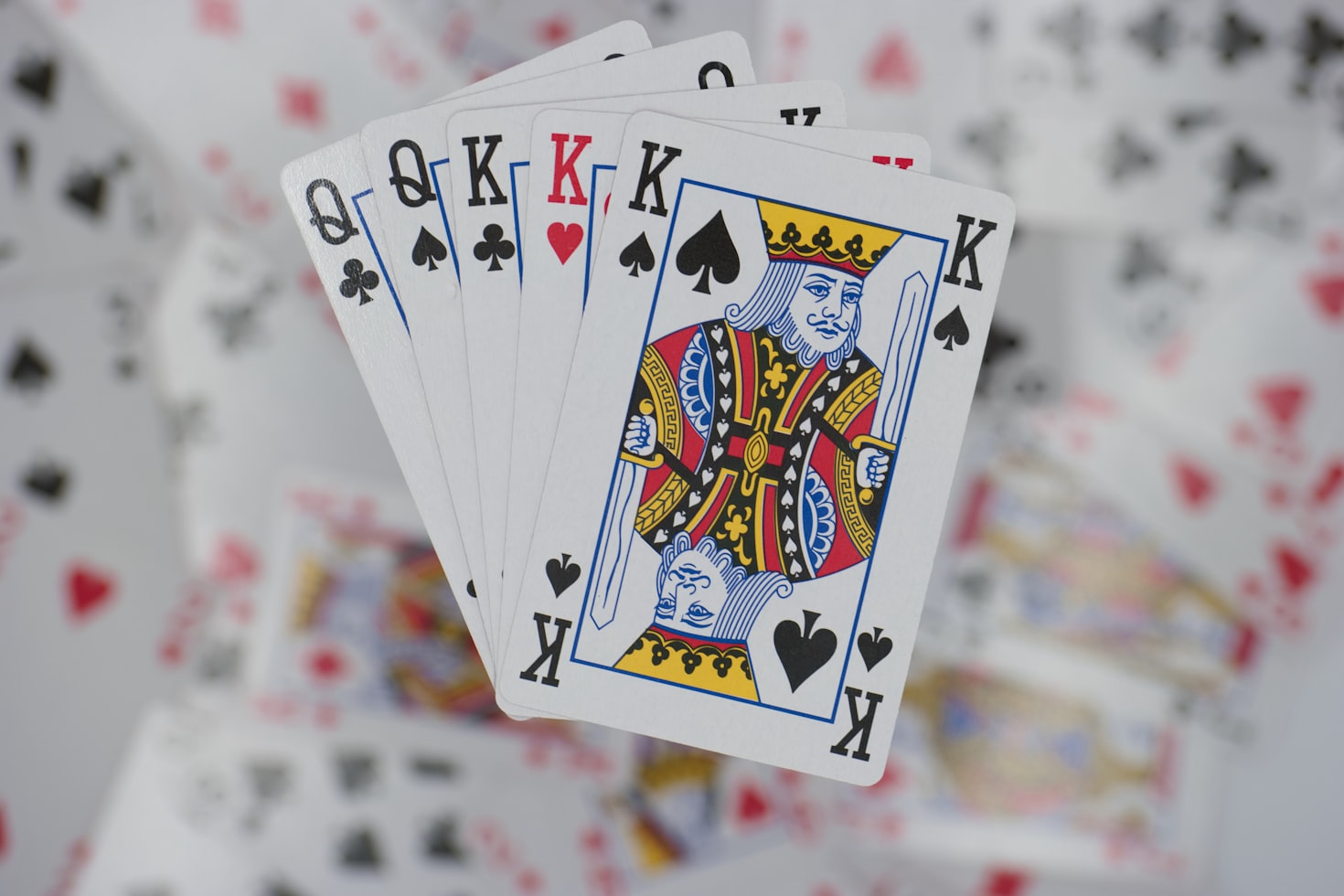
To better quantify luck’s impact, researchers have utilized various statistical methodologies to scrutinize gambling outcomes. By gathering and analyzing data on player performance across a range of games, they can derive insights into patterns such as winning and losing streaks, and the role of variance in these outcomes. This data-driven approach provides a clearer understanding of how much of a player’s success can genuinely be attributed to luck compared to skill, fostering a more nuanced discourse about the measurability of luck in gambling contexts.
The Psychological Aspect of Luck
The notion of luck in gambling extends beyond mere mathematics; it also encompasses profound psychological elements. Gamblers frequently engage in cognitive biases that distort their perceptions of luck and probability. One notable example is the gambler’s fallacy, which leads players to mistakenly believe that previous outcomes can influence future ones, displaying a fundamental misunderstanding of the independence of random events. This cognitive bias can result in unrealistic expectations and poor decision-making, ultimately affecting players’ gambling experiences.
Emotional responses during gambling can further complicate an individual’s perception of luck. Winning can evoke feelings of euphoria and bolster the belief in one’s lucky streak, while losses can lead to despair and disbelief. Such emotional fluctuations can distort a player’s understanding of their performance, making them more inclined to credit wins to luck and attribute losses to bad luck or external factors. This cyclical pattern may perpetuate a reliance on luck rather than recognizing the importance of skill and strategy within gambling.
Additionally, the social dynamics surrounding gambling can amplify the perception of luck. Interacting with fellow players creates a community where tales of fortunate wins are exchanged, reinforcing the belief that luck plays a significant role in gambling success. This intricate relationship between psychology, emotion, and social interaction adds further depth to the discussion of whether luck can be quantified or understood merely as a statistical phenomenon.
Measuring Luck: Possibilities and Limitations
While the term luck is frequently associated with gambling, measuring it presents substantial challenges. Some researchers have endeavored to formulate metrics to quantify luck by assessing the variance of outcomes against expected probabilities. For instance, if a player’s actual winnings significantly surpass statistical expectations, it could be posited that luck had a considerable impact on their gambling experience. However, such measurements often encounter limitations when considering the substantial influence of player choices on outcomes.
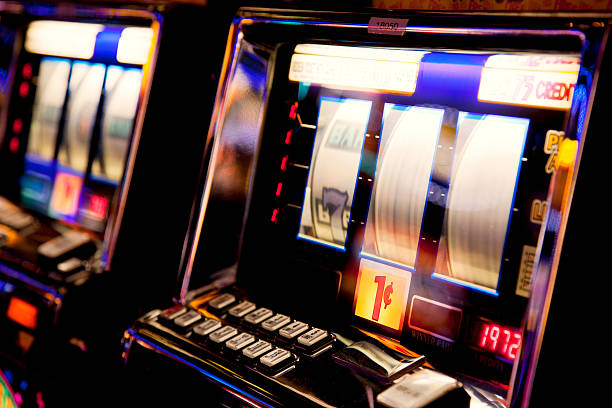
The significant role of decisions, strategies, and behaviors in shaping results leads to the conclusion that attempts to measure luck are inherently flawed. The multi-dimensional nature of gambling, encompassing elements such as skill, choice, environment, and even timing, creates a complex interplay that complicates the isolation of luck as a measurable entity. As a result, while players may enjoy attributing their successes or failures to luck, a deeper exploration of the elements at play reveals the limitations of this simplistic perspective.
Ultimately, while luck is an integral factor in gambling, it cannot be succinctly quantified or detached from the broader context of gameplay. The subjective nature of luck, coupled with its interaction with skill and strategic thinking, creates a labyrinthine framework that defies straightforward measurement. This understanding suggests that while luck is a critical consideration in gambling, its true essence eludes clear definition, highlighting the complexity of outcomes influenced by a multitude of factors.
More Insights on Gambling and Luck
For those eager to explore the intricate world of gambling and the dynamics of luck, numerous resources are available that delve into various facets of this field. By grasping the delicate balance between skill and luck, individuals can cultivate a richer appreciation of gambling as a blend of entertainment and strategy, rather than merely a game of chance. Furthermore, recognizing the psychological components that accompany gambling can provide valuable insights for players seeking to enhance their experiences at the tables.
Many online platforms and forums dedicated to gambling culture offer comprehensive discussions, expert analyses, and personal narratives that can enrich one’s understanding of luck in gaming contexts. These platforms present a treasure trove of information about probability, strategy, and psychological elements, empowering players to make well-informed decisions while navigating the intricate landscape of gambling.
Engaging with these resources allows players to develop a more intricate perspective on luck and its implications within the realm of gambling. Whether you are a novice or a seasoned player, acknowledging the multifaceted nature of luck and its interplay with skill can lead to a more rewarding and enjoyable experience. Ultimately, the journey into the world of gambling is not just about the outcomes but also about the knowledge and insights gained along the way, transforming it into a more enriching endeavor.


